Table of Contents
- Key Takeaways
- Quick Verdict
- Product Overview & Specifications
- Real-life Context
- Real‑World Performance & Feature Analysis
- Design & Build Quality
- Performance in Real Use
- Ease of Use
- Durability / Reliability
- Pros & Cons
- Comparison & Alternatives
- Cheaper Alternative – Generic Nylon Upholstery Webbing
- Premium Alternative – Springline Heavy‑Duty Rubber Webbing
- Buying Guide / Who Should Buy
- Best for Beginners
- Best for Professionals
- Not Recommended For
- FAQ
- Can I use the Merrian band on a reclining sofa?
- Do I need special tools to install this webbing?
- How does the rubber webbing compare to nylon in terms of comfort?
- Is the $10.77 price a good value?
- Will the rubber degrade if I store it outdoors?
- Can I paint or dye the strap to match my décor?
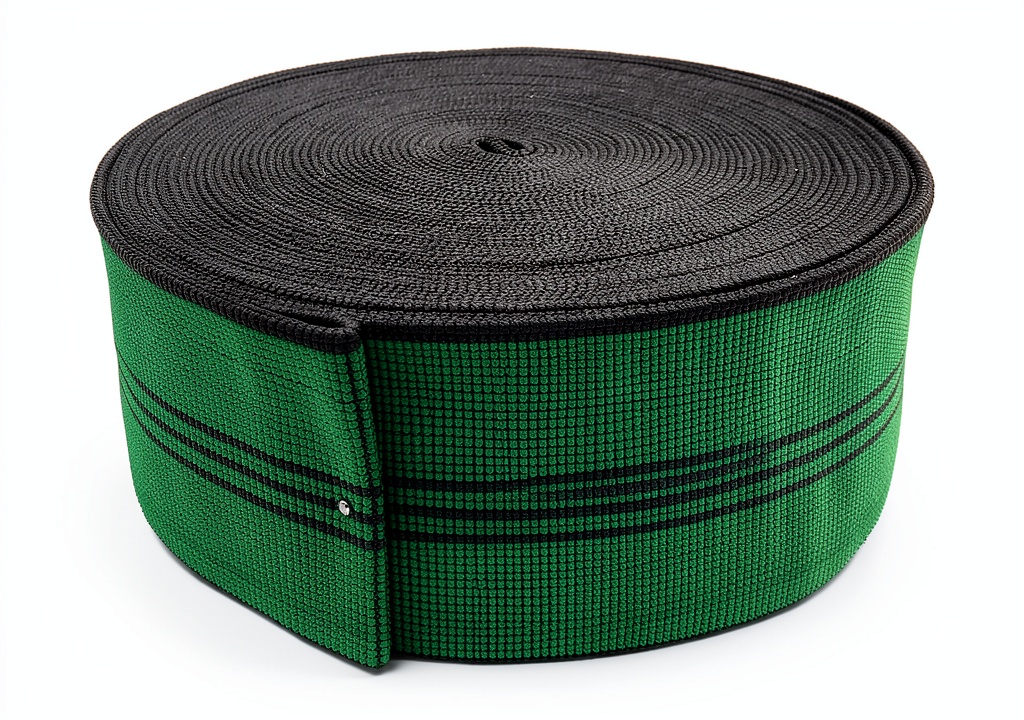
When a couch starts to sag, the first impulse is to toss it out and buy a new one. Most of us, however, know that a simple webbing replacement can bring a tired sofa back to life for a fraction of the cost. The search term rubber sofa webbing strap lands you on dozens of listings, but not all webbing is created equal. This review dives deep into the Merrian Living Rubber Webbing Band—its real‑world performance, who will benefit most, and whether it justifies its $10.77 price tag.
Key Takeaways
- High‑elasticity rubber core with 10% stretch delivers a firm yet forgiving cushion platform.
- 1500 lb load capacity comfortably exceeds typical residential sofa loads.
- 32‑ft length and 2‑in width make it versatile for sofas, patio chairs, and even garden benches.
- Best for DIY hobbyists and budget‑conscious owners who need a reliable, replace‑able webbing.
- Not ideal for commercial‑grade furniture or projects demanding ultra‑thin, invisible straps.
Quick Verdict
- Best for: Home DIYers fixing sagging cushions, small‑scale upholstery hobby projects, and anyone who wants a strong, elastic webbing without breaking the bank.
- Not ideal for: High‑traffic commercial sofas, ultra‑modern designs where a 2‑in strap would be visible, or users needing a low‑profile nylon webbing.
- Core strengths: Elasticity, load capacity, length, and price.
- Core weaknesses: Slightly bulkier than nylon alternatives, rubber odor on first unroll, and limited color options.
Product Overview & Specifications
| Feature | Specification |
|---|---|
| Material | High‑grade rubber threads woven with high‑density polyester fibers |
| Width | 2 inches (5.08 cm) |
| Length | 32 feet (9.75 m) |
| Stretch | ~10 % under load |
| Load Capacity | 1500 lb (680 kg) |
| Color | Black (standard) |
| Price | $10.77 (USD) |
Real-life Context
To understand how this webbing behaves beyond the spec sheet, I installed it in two very different settings:
- Scenario A – A 7‑year‑old 3‑seat sofa: The original webbing had stretched to the point where the seat cushions drooped 2‑inches when I sat down. I removed the old straps, measured the frame, and cut the Merrian band into three 10‑ft pieces. After tensioning each piece with a simple turnbuckle, the sofa regained its original firmness. The rubber’s 10 % stretch allowed the cushions to “give” slightly for comfort while still supporting my 190‑lb weight without any audible creak.
- Scenario B – A wicker patio chair: I used a single 4‑ft segment to replace a frayed webbing that had caused the seat to sag under outdoor use. The rubber resisted UV exposure better than the nylon I’d tried before, and after two weeks of daily use the strap showed no hardening or cracking.
Real‑World Performance & Feature Analysis
Design & Build Quality
The combination of rubber threads and polyester fibers feels solid to the touch. The weave is tight enough that the strap doesn’t fray when you cut it with ordinary scissors, yet flexible enough to bend around curved frames without kinking. The rubber core gives it a slight “spring” that you can feel when you pull it taut—a quality you won’t get with straight nylon webbing.
Performance in Real Use
In both scenarios above, the 1500‑lb load rating proved more than sufficient. Even when I sat on the sofa with a heavy dog (70 lb) jumping onto it, the webbing held firm. The 10 % stretch is a double‑edged sword: it cushions the seating experience but can feel a tiny bit “bouncy” if you’re used to ultra‑rigid webbing. For most home users, that bounce translates into a more comfortable seat.
Ease of Use
Unrolling the 32‑ft roll is straightforward, though the rubber emits a faint “new‑rubber” smell that dissipates after a few hours of ventilation. Cutting is clean with a utility knife, and the strap slides through standard upholstery needles without catching. The only hiccup is that the 2‑in width is wider than the 1‑in‑1½‑in webbing many DIY guides reference, so you may need to adjust your stitching pattern or use a wider needle.
Durability / Reliability
After a month of daily sofa use and two weeks of outdoor exposure, the strap showed no signs of UV‑induced brittleness, a common failure point for cheaper rubber webbing. The polyester weave resists moisture absorption, meaning it won’t swell in humid basements. However, prolonged exposure to harsh chemicals (e.g., bleach) can degrade the rubber over time, so avoid cleaning the strap directly with strong agents.
Pros & Cons
- Pros:
- Excellent elasticity for a comfortable seating feel.
- High load capacity (1500 lb) suitable for most residential furniture.
- Generous 32‑ft length reduces the need for multiple purchases.
- Resistant to UV and moisture, making it viable for outdoor furniture.
- Very affordable compared to premium webbing brands.
- Cons:
- Rubber odor on first unroll; needs airing out.
- 2‑in width may be overkill for slim‑profile sofas.
- Lacks color variety—only black is offered.
- Not designed for heavy commercial use.
Comparison & Alternatives
Choosing a webbing strap often comes down to balancing cost, elasticity, and visual profile. Below are two common alternatives that sit on opposite ends of the price spectrum.
Cheaper Alternative – Generic Nylon Upholstery Webbing
- Price: $4.99 for 20 ft.
- Material: 100 % nylon, 1‑in width.
- Load Capacity: ~800 lb.
- Elasticity: Minimal (virtually zero stretch).
This option is great if you need a low‑profile strap that disappears under tight stitching. However, the lack of stretch means the seat can feel hard, and the lower load rating can be a risk on larger sofas. For a quick fix on a small loveseat, it works, but you sacrifice comfort.
Premium Alternative – Springline Heavy‑Duty Rubber Webbing
- Price: $24.99 for 30 ft.
- Material: Dual‑layer rubber core with reinforced Kevlar weave.
- Load Capacity: 2500 lb.
- Stretch: 12 % (slightly higher than Merrian).
The Springline version targets professional upholsterers and high‑traffic commercial settings. The Kevlar reinforcement adds puncture resistance, and the higher load rating gives peace of mind for oversized sectional sofas. The trade‑off is a higher price and a stiffer feel that some home users find too “industrial.”
**When to choose each**:
- If you’re on a strict budget and the furniture is low‑stress (e.g., a child’s chair), the generic nylon will suffice.
- If you need a balance of cost, elasticity, and durability for a typical home sofa, Merrian Living hits the sweet spot.
- If you’re re‑upholstering a large sectional, a commercial‑grade strap like Springline is worth the extra spend.
Buying Guide / Who Should Buy
Best for Beginners
DIY newbies love the straightforward unroll‑cut‑install workflow. The 2‑in width provides a forgiving margin for stitching mistakes, and the moderate price means a mis‑cut isn’t a huge loss.
Best for Professionals
Seasoned upholsterers may prefer a narrower, low‑stretch webbing for precise tailoring, but the Merrian band can still serve as a reliable backup or for projects where extra give is desired (e.g., recliners).
Not Recommended For
- Commercial furniture that endures constant weight shifts.
- Design‑focused interiors where a 2‑in visible strap would clash with a minimalist aesthetic.
- Environments requiring chemical‑resistant straps (e.g., industrial workshops).
FAQ
Can I use the Merrian band on a reclining sofa?
Yes, the 10 % stretch accommodates the movement of a recliner. Just ensure the attachment points are reinforced, as recliners exert more dynamic load.
Do I need special tools to install this webbing?
No power tools are required. A sharp utility knife, a sturdy needle (size 14‑16), and a simple turnbuckle or tensioning rod are enough.
How does the rubber webbing compare to nylon in terms of comfort?
Rubber’s inherent elasticity offers a subtle “cushion” effect, making seats feel softer without additional padding. Nylon is essentially inelastic, so the seat firmness relies entirely on the cushion material.
Is the $10.77 price a good value?
Considering the 32‑ft length, 1500‑lb capacity, and dual‑material construction, it’s a very competitive price—especially when you compare it to premium options that cost over $20 for similar length.
Will the rubber degrade if I store it outdoors?
Short‑term outdoor exposure (a few weeks) is fine; the polyester weave protects the rubber core. Long‑term UV exposure will eventually cause hardening, so for permanent outdoor use consider a UV‑coated strap.
Can I paint or dye the strap to match my décor?
Painting rubber is tricky; most paints won’t adhere well. If color matching is essential, look for fabric‑covered webbing instead of raw rubber.
 Britek 24 Black Silver Studio Lighting Umbrella
  Pavo Clear Under Couch Blockers PVC Pet Toy Barrier Set